A Designer's Practical Review of the Boba Tea Icon Embroidery Design
As someone who stitches designs for both client work and my own small shop, I’m always looking at new files with a practical eye. It’s not just about whether a graphic looks cute on screen; it’s about how it will translate into thread on fabric. So, let’s talk about the Boba Tea Icon. Plastic Cup with Bubble M from the perspective of someone about to load it into their machine for a real project.
First Impressions: A Sweet, Clear, and Friendly Start
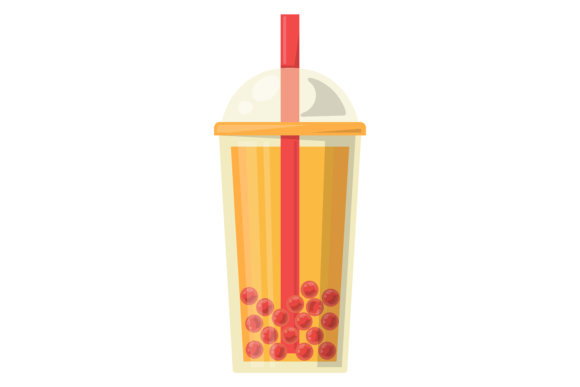
Opening this design, my immediate feeling is one of cheerful simplicity. The boba tea icon has that friendly, recognizable shape—the classic cup with its straw and the distinct bubbles. This isn’t a hyper-detailed illustration; it’s a clean, graphic representation. That’s a positive first impression for embroidery. We’re dealing with shapes that can be neatly defined by satin stitch borders and filled with clean fill stitches, not tiny, fussy details that might get lost. The mood is modern, casual, and universally appealing—it feels like it belongs on everyday items rather than formal pieces.
This visual personality tells me it’s naturally suited for projects where a touch of whimsy and modern culture is welcome. Think custom apparel for a coffee shop employee, a fun tote bag for a boba-loving friend, or a playful patch on a denim jacket. It’s not overly childish, nor is it too sleekly corporate; it sits nicely in that wide middle ground of handmade gifts and small shop merchandise.
The Real-World Embroidery Scenario: A Client’s Custom Tote Bag
Let’s imagine a real-life scenario. A client requests a custom embroidered tote bag as a birthday gift for a friend who is famously obsessed with boba tea. They want something clean, recognizable, and durable. This is where I start my mental checklist with the Boba Tea Icon.
The isolated graphic means I won’t have to worry about background elements interfering. The provided file formats—especially the mention of SVG and transparent PNG—are promising for previews and mockups, helping the client visualize the final product before we stitch. On a medium-weight canvas tote, the design’s bold outlines would translate well into pronounced satin stitches, giving that satisfying tactile, raised edge around the cup and straw. The bubble details, being circular and distinct, would likely be clear even as smaller fill stitch areas, creating those characteristic "boba" dots. The overall layout is balanced, so it won’t look awkwardly heavy on one side of the bag.
For this client project, the design’s clarity directly builds customer trust. They can see from a digital mockup exactly what they’re getting—a professional, clean icon, not a blurry or overly complex mess. For my small business, that reliability in translating a digital graphic into a high-quality handmade product is everything.
Where This Design Finds Its Home
Beyond a single tote, this boba tea icon has a natural fit across many popular embroidery avenues. It would shine on a cozy sweatshirt chest, adding a personality patch without being overwhelming. For baby clothes or nursery decor, it’s a sweet, modern motif (though I’d likely pair it with a name or other element for a personalized gift). As an embroidered patch, it’s a perfect candidate—the bold shapes ensure it remains recognizable even at a smaller scale. For kitchen towels, aprons, or pillow covers, it brings a lighthearted, contemporary touch. It’s a strong contender for holiday gifts for the foodie friend, wedding gifts for the quirky couple, or simply as staple merchandise for an Etsy seller focusing on drink-themed crafts.
For commercial embroidery, like branding for a small boba shop, its iconic nature aids quick recognition. It could work on employee caps or aprons. As a digital embroidery file, its utility for other crafters and sellers is clear, provided the license permits commercial use of the finished stitched products—a point you must always verify yourself.
The Careful Considerations: Where to Pay Attention
No design is universally perfect for every application, and a professional review means pointing out where to be cautious. The Boba Tea Icon’s success hinges on its execution.
On very small hoop sizes, those bubble details could become dense stitch clusters if the file isn’t optimized, potentially leading to stiffness or fabric puckering. Always test on scrap fabric first. On textured fabrics like certain knit sweaters or stretchy fabrics for t-shirts, the clean lines might require careful stabilizer choice to maintain their shape. Embroidering onto dark fabrics demands thoughtful thread color contrast; the classic boba milk colors might need adjustment to pop against a black background.
Curved surfaces, like the crown of a cap, require checking the design’s orientation and size to ensure it sits correctly. While the design doesn’t appear to have tiny lettering, the straw and cup outline corners are areas where stitch quality is paramount—a poor conversion or low-quality file could make these corners jagged. For products destined for frequent washing, like baby items or kitchen towels, the stitch density should be appropriate to prevent premature wear or snagging. Testing it in both black and white mockups can help visualize its appeal across different product backgrounds.
Embroidery Designer Notes for a Smooth Project
Before you commit this to a final project, here’s my practical list:
- Run a test stitch on the exact type of scrap fabric you plan to use. This reveals the true stitch density, thread coverage, and any potential issues with small details.
- Analyze the thread color palette. Does the “milk” area need a bright white, or a softer cream? Do the bubbles require a contrasting dark brown, or will a tonal shade work?
- Confirm the optimal hoop size for your specific machine and the product. Don’t assume.
- Inspect the small details in your test stitch—are the bubbles cleanly separated? Does the straw have a crisp tip?
- Use proper stabilizer for your chosen fabric. This is non-negotiable for preserving the design’s clean lines.
- Crucially, check the licensing terms provided with the file. Can you use the embroidered finished product in your craft business for sale? Can you use the digital file itself to create derivative products? Never proceed without knowing.
The Final Stitch: Impact on Appeal and Value
When executed well, the Boba Tea Icon. Plastic Cup with Bubble M elevates a project. Its visual appeal comes from its crisp, recognizable nature, which translates to stitching clarity. A cleanly embroidered icon on a tote bag or sweatshirt increases the perceived value of that handmade product. It looks intentional and professional, not haphazard.
For a customer or gift recipient, that professionalism translates into greater engagement—they recognize the motif instantly and appreciate the quality execution. It enhances giftability because it feels personal and trendy. For a brand, like a small shop selling drink-themed apparel, it ensures brand consistency across items. In the crowded space of Etsy listings or craft fair tables, a well-embroidered, popular icon like this can catch the eye quickly and communicate product quality before a customer even touches it.
In essence, this design is a solid, versatile graphic for the embroidery world. Its strength lies in its simplicity and strong cultural recognition. As a designer preparing it for real work, my judgment is that it’s a reliable file for a wide range of projects, provided you apply standard professional practices: test thoroughly, choose materials wisely, and respect the license. It’s a design that, with care, will stitch out into something that genuinely delights both the maker and the end user.