Evaluating a Coffee Cup Logo Vector for Content Publishing
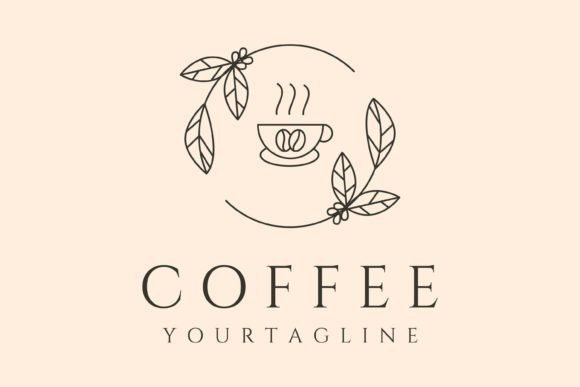
When you’re building a content website, the first impression your visuals make is critical. As a publisher, I’m constantly reviewing graphic design assets for their editorial quality and practical application. The Coffee Cup and Leaf Line Art Logo Vector recently came across my desk, and I want to share a hands-on review from a real publishing workflow perspective.
First Impressions: A Clean, Lifestyle-Focused Editorial Mood
Opening this set of files, the immediate vibe is clean, modern, and artistic. The line art style leans into a lifestyle-focused, slightly feminine, and decorative aesthetic. It doesn’t scream corporate; instead, it whispers comfort, creativity, and a touch of nature. This is perfect for content niches around wellness, coffee culture, homemade crafts, blogging tips, creative entrepreneurship, and cozy digital guides. Reader perception shifts toward trust and approachability with such visuals—they feel hand-crafted and intentional, not generic.
The Publisher’s Toolkit: Five Essential File Formats
The product provides a practical bundle: an EPS 10 vector file, SVG, PDF, JPG, and AI formats. For the best result, especially if you plan to customize, open the EPS in Adobe Illustrator. The vector-based design elements can be altered as you wish, offering flexibility. A key note for bloggers: the text portion is non-editable, so you’ll be layering your own headlines and copy over it. This is standard for many logo graphics and is actually a benefit for maintaining the original artistic integrity while adapting it for your content.
Real Publishing Applications: From Blog Graphics to Lead Magnets
This is where the asset proves its value. In a typical week, I might need visuals for a featured blog post on “Morning Rituals,” a Pinterest pin for a coffee recipe roundup, a header for a newsletter about small business productivity, and a cover for a downloadable “Coffee Shop Marketing” digital guide. This Coffee Cup and Leaf vector seamlessly integrates into all these projects.
- Blog Featured Images & Article Headers: It creates an immediate visual hierarchy. Place it as a focal point beside your headline, using its curves to guide the reader’s eye.
- Pinterest Graphics & Social Media Posts: Its clean lines ensure clarity even when scaled down for a pin thumbnail, boosting click-through potential.
- Newsletter Banners & Website Header Accents: A slice of the leaf or cup can become a recurring brand element across your site, building consistent visual identity.
- Digital Products & Lead Magnets: Imagine it on the cover of an eBook, a worksheet, or a media kit. It instantly elevates the perceived value, making your content look polished and professional.
- Canva Templates & Affiliate Content Visuals: Import the SVG or JPG into Canva to quickly design category thumbnails or graphics for affiliate product reviews related to coffee or lifestyle.
How This Asset Supports Content Performance
Using a strong graphic design asset like this isn’t just about decoration. It’s about communication and performance. It contributes to a stronger first impression on a blog post, telling the reader the topic before they even read the title. It offers clearer category recognition—if this logo appears on several posts about “coffee hacks,” readers begin to associate that visual with that topic cluster. Most importantly, it builds reader trust and presents your entire website as more professional and intentional. For affiliate marketers and online educators, this trust translates directly into credibility and conversion.
Optimal Use Cases for Maximum Impact
Knowing where a design shines is key to smart editorial design.
- Hero Images: Large, welcoming banners on homepage or post landing pages.
- Article Thumbnails & Blog Graphics: Especially for list posts or tutorial roundups.
- Pinterest Pins: Its simplicity stands out in a busy feed.
- Content Upgrades & Downloadable Resources: PDF covers, worksheet icons, digital guide accents.
- Newsletter Headers & Social Media Preview Images: For email campaigns or link previews on Facebook and Twitter.
Scenarios Requiring Careful Application
Every asset has its limits. Here’s where I’d proceed with caution.
- Very Small Mobile Thumbnails: The fine line details might become faint on tiny screens.
- Text-Heavy Blog Images: If the background is already crowded with typography, adding this could overcomplicate.
- Low-Contrast Backgrounds: On very light grey or patterned backgrounds, the lines could lose visibility.
- Serious Professional Niches: For corporate finance or legal content websites, this playful, artistic style might feel mismatched.
- Busy Layouts: In a sidebar or a dense footer, it could get lost.
Practical Publisher Notes for Implementation
Before you drop this into your live site, run a few tests. These steps save time and ensure quality.
- Test on Desktop and Mobile: See how it renders on different screens.
- Check Thumbnail Appearance: Scale it down to 150x150 pixels to preview its Pinterest potential.
- Preview in a Real Blog Layout: Paste it into a draft post alongside your typical headline font.
- Test with Various Fonts: Place it beside a serif font (for traditional mood), a sans serif (for modern), a script (for elegant), and a handwritten font (for personal touch). See which pairing strengthens your editorial mood.
- Review Contrast & Readability: Ensure it doesn’t fight with your text.
- Try a Black and White Version: For printing printables or for ultra-minimal web pages.
- Consider File Size & Web Performance: Compress the JPG properly for web use; the vector files are ideal for print or scalable uses.
- Confirm Commercial Licensing: Before using on monetized websites, affiliate pages, or paid content products, always verify the license allows commercial use. This is crucial for digital publishers and small business branding.
The Final Word for Content Creators
The Coffee Cup and Leaf Line Art Logo Vector is more than just a logos graphic. It’s a versatile editorial tool. It supports visual storytelling, enhances brand identity across blog graphics and social media graphics, and elevates the perceived quality of digital downloads like lead magnets and Canva templates. For bloggers, publishers, and creative entrepreneurs looking to inject a consistent, artistic, and trustworthy visual tone into their content marketing, this design asset offers a solid foundation. Remember, great content publishing isn’t just about words—it’s about creating a cohesive, clickable, and credible visual world for your readers to enter.