Evaluating the Duck Hunting Tumbler Design for Embroidery
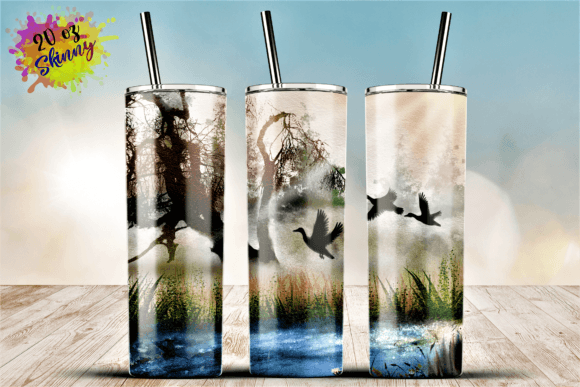
As someone who stitches designs into real products for real people, my first question with any embroidery file isn’t just “is it cute?” but “where does it belong?” Opening the Duck Hunting Gift 20oz Wrap Tumbler design, you immediately get a sense of its purpose. It’s a thematic, lifestyle-centric graphic that speaks directly to a hobby and a community. The mood is masculine, outdoorsy, and celebratory—perfect for a personalized gift rather than a generic decoration.
First Impressions: A Design Built for a Niche
The layout feels intentional, built to wrap around a specific object, which informs how I’d consider using it elsewhere. This isn’t a scattered, all-purpose motif; it’s a cohesive statement. The visual personality is straightforward and friendly, not overly technical or cartoonish. This level of detail suggests it would translate well into embroidery without becoming a muddle of tiny, frustrating stitches. It naturally belongs on items for the person who enjoys the hunt, or perhaps more broadly, on gifts for the outdoorsman. Think durable, practical fabrics: canvas totes, heavyweight sweatshirts, or a sturdy apron.
A Real Project Scenario: Crafting a Client’s Gift
Imagine a client asks for a custom embroidered tote bag for her husband’s birthday. He’s an avid duck hunter. She wants something unique, not a store-bought logo. This is where a design like Duck Hunting Gift 20oz Wrap Tumbler comes into play. My immediate thought is about scale and placement on the bag’s front panel. Would the wrap layout adapt to a flat surface? The details—likely featuring ducks and perhaps text—need to stitch out clearly on the bag’s textured fabric. I’d consider how the stitch density interacts with the canvas; too dense might make it stiff, too light might look sparse. The gift’s success hinges on that embroidered result looking intentional and crisp, not just a blurred graphic slapped on.
Performance Across Embroidery Projects
This design has a strong thematic anchor, which is a gift when targeting a market. For small business merchandise or Etsy listings, it could be a star on a range of products. On a heavy cotton sweatshirt, it would feel robust and part of the garment’s identity. As a embroidered patch, it could be excellent, applied to a hat or jacket. For baby embroidery, it’s probably not the fit—the theme is too specific. However, on a pillow cover in a rustic cabin or a kitchen towel in a hunting lodge-themed kitchen, it would be a charming detail.
Its value in holiday gifts or personalized products is high because it’s clearly not mass-market. A customer receiving an embroidered cap with this design would recognize the thoughtfulness. For commercial embroidery projects, say for a sporting goods store’s promotional items, it offers that ready-made, authentic vibe. Using it in printable mockups to preview products for an online shop is straightforward; the graphic has enough character to sell the idea.
Where This Design Demands Extra Care
Now, the practical realities. The wrap concept implies a certain curvature. Adapting it to a flat surface like a tea towel or blanket might require resizing or slight layout adjustment in your software. Be cautious with very small hoop sizes; any text elements could become too tiny to stitch cleanly. Textured fabrics like some blankets or stretchy fabric like t-shirts will need the right stabilizer to keep those details sharp.
If the design has intricate corners or small decorative accents, dark fabric becomes a challenge. You must ensure thread color contrast is planned; a dark green on a black shirt might vanish. Embroidering on curved surfaces like caps is its natural home given the tumbler theme, but still, test placement. Products that need frequent washing, like aprons, demand a robust stitch structure—check that fill areas aren’t so dense they crack over time.
Impact on Your Work and Your Customer’s Eye
Using a design with such a clear theme affects everything from stitching clarity to customer trust. When it stitches out well, it looks professional and intentional, boosting the perceived value of your handmade product. It tells a story, which enhances giftability and recognition. For craft business owners, it can contribute to brand consistency if you specialize in outdoorsy or masculine gifts.
It engages buyers because it’s specific. Someone searching for a “duck hunting gift” isn’t looking for a generic floral pattern; this design meets that need directly. Your finished product becomes more than an item—it’s a tailored offering. That’s a powerful tool for Etsy sellers and creative entrepreneurs.
Essential Designer Notes Before You Hoop the Fabric
Always, always test the design on scrap fabric first. Use fabric similar to your final project. This reveals how the stitch density behaves and whether any small details, like possible tiny lettering, get lost. Check thread color contrast by stitching a sample on both light and dark backgrounds. A quick test in black and white mockups can help visualize it on different products.
Confirm hoop size requirements by examining the design dimensions in your software. Don’t assume. For textured or tricky fabrics, use proper stabilizer and test again. Crucially, check whether the design works for both personal and commercial projects. The product description states it’s a digital file for a tumbler wrap, but confirm licensing before selling finished items or digital products. The listing is for an instant download, but the usage rights are paramount for your craft business or commercial embroidery work.
In the end, the Duck Hunting Gift 20oz Wrap Tumbler embroidery file feels like a specialized tool in your embroidery design toolkit. It’s not for every project, but for the right project—the custom apparel, the personalized gift, the boutique product for a niche audience—it can stitch out into something that feels authentic, well-made, and perfectly targeted. That’s the hallmark of a useful digital embroidery file.