A Real Designer's Look at the Wooden Sunflower Leopard Tumbler Wrap
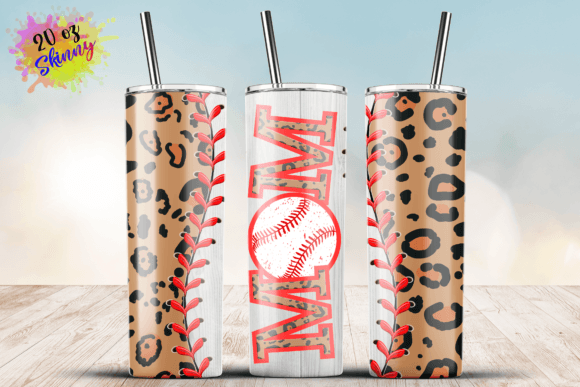
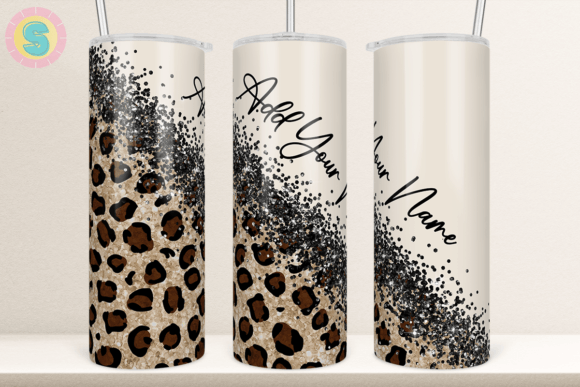
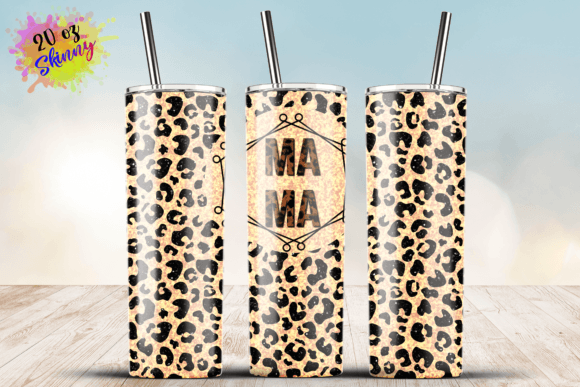
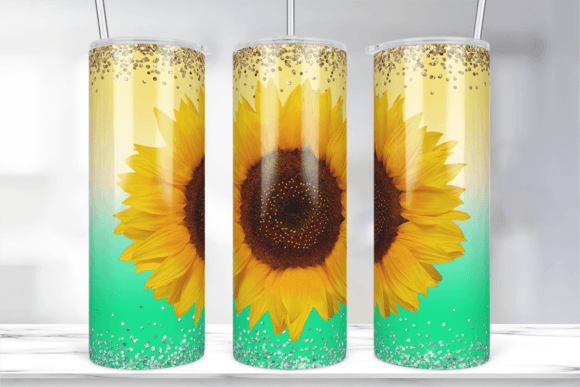
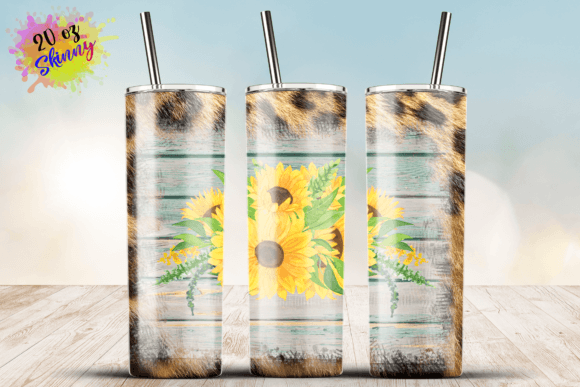
When I first opened this embroidery design, my immediate thought was: this is for someone who knows their style. The Wooden Sunflower Leopard Tumbler Wrap isn't a timid, generic graphic. It’s a bold, playful mashup of rustic charm and untamed pattern. The wooden sunflower carries that warm, handmade craft feel, while the leopard print woven through it adds a confident, almost rebellious edge. For me, that’s the key—it’s a design with personality.
The Mood It Creates and Where It Naturally Belongs
This combination creates a very specific mood. It’s not purely rustic, nor purely trendy. It sits in a delightful middle ground, perfect for projects that need to feel both personalized and a little bit fierce. I immediately pictured it on a canvas tote bag for a creative entrepreneur—someone whose brand is about natural materials but with a strong, modern voice. It wouldn’t look right on a formal item, but on a relaxed-fit sweatshirt, a statement apron, or a unique pillow cover for a living room, it would sing.
The layout is well-considered. The sunflower is the clear focal point, with the leopard pattern integrated as a texture, not a competing element. This means in an embroidery project, the visual hierarchy will be clear even after stitching. The detail level is generous without being overwhelmingly dense, suggesting it will translate well into satin and fill stitches without becoming a stiff, heavy patch on lighter fabrics.
Putting the Design to Work in Real Projects
Let’s walk through a real scenario. Imagine I’m preparing a custom order for a client who runs a small boutique selling handmade goods. They want a unique, embroidered tea towel as a gift-with-purchase for their loyal customers. The Wooden Sunflower Leopard design comes to mind. Its warmth makes it feel like a generous gift, while its unique style aligns with a boutique’s desire to stand out.
In this practical application, I’d be thinking about fabric texture. A standard cotton kitchen towel has a slightly coarse weave. The design’s elements, particularly the leopard fill areas, would need proper stabilizer to keep the stitches clean and prevent puckering. On a smoother fabric, like a poly-cotton blend for a sweatshirt, the stitches would lay down beautifully, making those textured leopard spots really pop. For a baby item or nursery decor, I’d lean more towards the sunflower’s innocence and perhaps use softer thread colors, letting the leopard be a subtle background texture rather than the star.
For commercial embroidery projects, like a series of caps for a small shop, the curved surface is a consideration. The design’s circular nature is actually a benefit here; it’s naturally suited for a centered placement on a cap front. However, the smaller area means I’d need to verify the design’s sizing carefully—a version too large with tiny detailing could lose clarity on a curved, smaller hoop.
Where This Design Requires a Careful Approach
Every embroidery file has its sweet spots and its caution zones. For the Wooden Sunflower Leopard Tumbler Wrap, I’d proceed carefully on very thin or stretchy fabrics, like a lightweight t-shirt. The interplay of fill stitches in the leopard areas and the sunflower petals could create a density that might distort the fabric if not stabilized perfectly. Dark fabric backgrounds are another point of attention. The design, with its wooden and natural elements, likely relies on a certain color palette. On a black garment, you’d need excellent thread color contrast—perhaps opting for brighter, creamy yellows and whites—to maintain its cheerful, rustic mood. Without that contrast, it could get lost.
Products that need frequent washing, like kitchen towels or baby clothes, demand durability. The design isn’t overly delicate, but any small, intricate corners in the sunflower center or the leopard spots should be stitched with secure, tight running stitches to withstand wear. This is where testing on scrap fabric first is absolutely non-negotiable. It lets you see how those details hold up and adjust your machine settings accordingly.
How This Embroidery File Affects Your Final Product
Using a design with this much character directly impacts the perceived value of your finished product. On a handmade tote bag or an embroidered patch, it conveys thoughtfulness and a curated aesthetic. It doesn’t look like a stock image; it looks like a choice. That builds customer trust and engagement—they feel you’ve selected something special for them. For a gift, like a personalized pillow cover for a friend’s wedding, it hits that sweet spot of being recognizable (sunflowers are beloved) but uniquely interpreted, making it feel personal and one-of-a-kind.
From a professional standpoint, it supports brand consistency for a maker whose vibe is “gentle but strong.” It’s a design asset that can be used across a line—on aprons, towel sets, and sweatshirts—creating a cohesive look for a craft business or Etsy shop. The visual appeal is high, but the stitching clarity is what will seal the deal. A clean, crisp embroidery of this design, with no puckering or loose threads, looks professional and boosts the handmade presentation immensely.
Practical Notes from the Hoop
Before loading this file for any real embroidery project, my checklist would be straightforward but essential. First, I’d run a test on a scrap of the actual fabric I plan to use, not just plain cotton. This reveals how the stitch density interacts with your material’s texture and stretch. Second, I’d review the thread colors. The “wooden” and “leopard” elements suggest a need for a palette with browns, tans, yellows, and perhaps a contrasting dark shade for definition. Playing with color combinations in a black-and-white mockup can help plan contrast for different fabric backgrounds.
Hoop size is critical. The design’s name suggests it’s intended for a tumbler wrap, which is a specific cylindrical application. For flat projects like tote bags or apparel, you must confirm the design dimensions fit your intended hoop and placement area comfortably, leaving room for the details to breathe. Inspect the small details in the preview—are the leopard spots distinct, or do they blend into a blob at a smaller size?
Finally, and this is paramount for craft businesses and commercial embroidery: confirm the licensing. The listing states it’s a digital file for instant download. As a professional, I must understand if this embroidery file is for personal use, commercial use where I sell the finished physical product (like an embroidered sweatshirt), or if it restricts use in digital product previews like printable mockups. Never assume. This protects your business and respects the designer’s work.
The Wooden Sunflower Leopard Tumbler Wrap is a compelling graphics offering in the Crafts category. It’s a design that asks you to be intentional with your project choice and meticulous with your embroidery setup. When matched with the right fabric, product, and care, it has the potential to become a standout piece that feels both handmade and utterly contemporary—a combination that’s gold for makers and their customers.