A Trusted Designer’s Look at the Leopard Softball Mom Tumbler Wrap
Whenever a new embroidery file lands in my library, my first instinct isn’t to just load it and run it. Instead, I imagine it stitched out—on fabric, in a project, and in the hands of a client or customer. That’s the lens I’m using today with the Leopard Softball Mom Tumbler 20oz Wrap. As a designer and reviewer who works with makers every day, I’m looking beyond the digital file to its real-world potential.
The Immediate Visual Personality: Sporty, Bold, and Unapologetically Fun
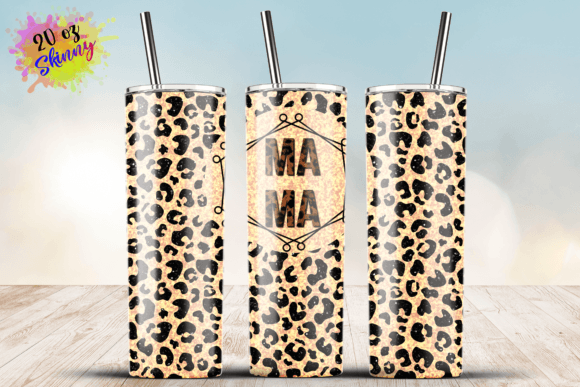
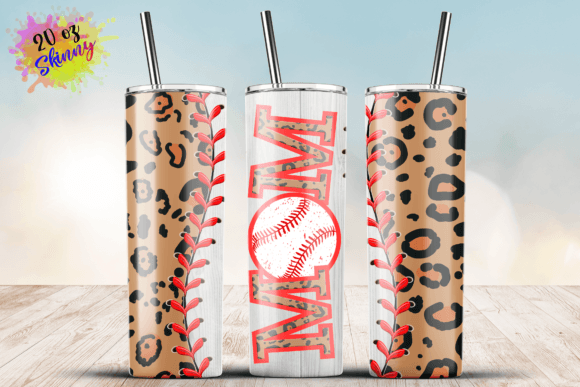
Right away, this design announces itself. The combination of a classic leopard print with the very specific “Softball Mom” text creates a mood that’s both sporty and stylish. It’s not a generic sports graphic; it’s a statement. The layout, built around the tumbler shape, suggests a purpose, but that’s just the starting point. The real value for us as embroidery designers is in how that visual personality translates when the needles start moving.
What strikes me is the level of detail. A design like this, blending a patterned background with clear lettering, needs careful stitching to keep its clarity. The leopard pattern isn’t just a flat fill; it has a texture implied in the graphics. This is where your choice of thread colors and fabric background becomes critical. On a simple cotton tote bag, it could pop with vibrant energy. On a grey sweatshirt, it might take on a more sophisticated, boutique-ready feel. The theme is so recognizable that it instantly connects with a community—softball parents, team supporters, that proud mom culture. That’s a powerful starting point for a custom apparel project or a personalized gift.
Where This Embroidery Design Naturally Belongs
Thinking through my own project queue, I see several natural fits. The most obvious is, of course, apparel. A left-chest placement on a softball team hoodie for a coach or a parent would be perfect. But I’m also visualizing it centered on a canvas tote bag—a practical game-day carry-all that becomes a branded product. For a craft business focusing on personalized gifts, this could be a standout item for Mother’s Day or end-of-season celebrations.
I’m particularly interested in its potential as an embroidered patch. The defined tumbler shape creates a natural border, making it ideal for a standalone patch that could be applied to a backpack, a jacket, or even a blanket. For baby clothes? Perhaps not, as the theme is quite specific, but for a teen’s cap or a dad’s apron? Absolutely. It has that mix of humor and pride that makes for great small shop merchandise.
A Real Scenario: Preparing for a Craft Fair Boutique Line
Let’s say I’m preparing products for a local craft fair, aiming to attract sports families. I’d likely test this design on a few key items: a simple black tee, a cream-colored sweatshirt, and a denim tote bag. Each fabric would change the design’s impact. The black tee would make the leopard print and text shine with bright thread, but I’d need a sturdy stabilizer to handle the potential stitch density on a thinner knit. The cream sweatshirt offers a softer, more premium handmade presentation. The denim tote would give it a rugged, durable feel perfect for repeated use. This kind of testing isn’t just about technique; it’s about understanding how the finished product will be perceived and valued by a buyer.
Performance Considerations: Where to Pay Extra Attention
No design is universally perfect for every surface, and a bold graphic like the Leopard Softball Mom Tumbler Wrap requires some strategic thinking. The small lettering within “Softball Mom” is my first note. On textured fabrics like fleece or looped towels, tiny satin stitches can get lost or look fuzzy. On curved surfaces like caps, the rounded tumbler shape is a benefit, but the detailed corners of the print pattern need careful hoop placement and adequate stabilizer to prevent puckering.
Dense stitch areas, often present in patterned fills like leopard spots, can be challenging on stretchy fabric or layered garments like hoodies with lining. They can also affect the fabric’s flexibility after washing. For products meant for frequent wear and wash—like team apparel—I’d recommend a test on scrap fabric first, dialing in the perfect stabilizer and thread tension to ensure longevity and customer trust.
Dark fabric backgrounds are a classic use for this type of bold, light-colored design, but contrast is key. Before running the embroidery file, I’d check my thread color palette. Does the leopard pattern have enough definition against a navy or black? Sometimes, a slight adjustment in thread choice—a cream instead of a pure white—can improve stitching clarity and visual appeal immensely.
The Impact on Your Craft Business and Client Projects
Using a design with such strong theme recognition does something important: it builds instant engagement. For an Etsy seller, this embroidery design can anchor a whole series of listings—tumbler wraps, but also matching totes, tees, and patches. It creates brand consistency for a shop focusing on sports or mom-themed products. For a client project, like a custom gift for a team, it speaks directly to the recipient’s identity, elevating the giftability and perceived thoughtfulness.
The professionalism of the final product hinges on our execution. A clean, well-stitched version of this design on a quality garment looks like a premium handmade product. A rushed, poorly stabilized version on a thin t-shirt can look cheap and damage buyer trust. The design itself has the potential; our skill and attention bring that potential to life.
Practical Designer Notes Before You Hoop Your Fabric
- Always test the design on a scrap of your intended fabric first. This is non-negotiable for checking stitch density, small detail integrity, and overall size.
- Compare how it looks in both light and dark fabric mockups, even simple black and white digital previews, to plan your thread strategy.
- Confirm the hoop size required. While the description suggests a 20oz skin, the actual embroidery area needed might differ. Ensure your machine and hoop can accommodate it comfortably.
- Use proper stabilizer for your specific fabric type—this is crucial for maintaining the design’s shape and preventing distortion, especially on items like caps or bags.
- Review the licensing terms provided with this digital embroidery file. Ensure it aligns with your use—whether for personal projects, commercial embroidery for clients, or selling finished products in your small business.
- Consider creating printable mockups or digital product previews if you’re selling the finished items online. A design this visual sells better when customers can see it applied.
In the end, the Leopard Softball Mom Tumbler 20oz Wrap is more than a graphics file in the Crafts category. It’s a design asset with a strong, ready-made audience. Its success in your embroidery project—whether for a custom tote bag, a team sweatshirt, or a boutique product—depends on marrying that strong theme with your technical care. When done thoughtfully, it creates a finished product that feels both personal and professional, a combination that always resonates with makers and their customers.